Palm Springs Architectural Styles Guide for Buyers
February 19, 2026
February 19, 2026
If you are drawn to long rooflines, sunlit courtyards and poolside patios, Palm Springs will feel like a living design museum. The city’s architecture is part of its identity, from world‑famous Mid‑Century Modern homes to private Spanish estates and crisp contemporary builds. If you understand the styles, the cues you can spot in photos, and the cost implications in a desert climate, you will make smarter choices. This guide gives you a clear way to identify Palm Springs home styles, map them to neighborhoods, weigh maintenance and rental potential, and plan your next steps. Let’s dive in.
Palm Springs is known worldwide for Desert Modernism, a regional expression of mid‑century design that favors low, horizontal lines, large glass, and seamless indoor–outdoor living. The city celebrates that legacy with tours and events, and it continues to influence what buyers prioritize and what homes command a premium. You will see references to architects like E. Stewart Williams, William Krisel, Donald Wexler and Albert Frey in listing copy and neighborhood histories. Those names, along with tract builders like Alexander Construction, are useful shortcuts when you compare homes.
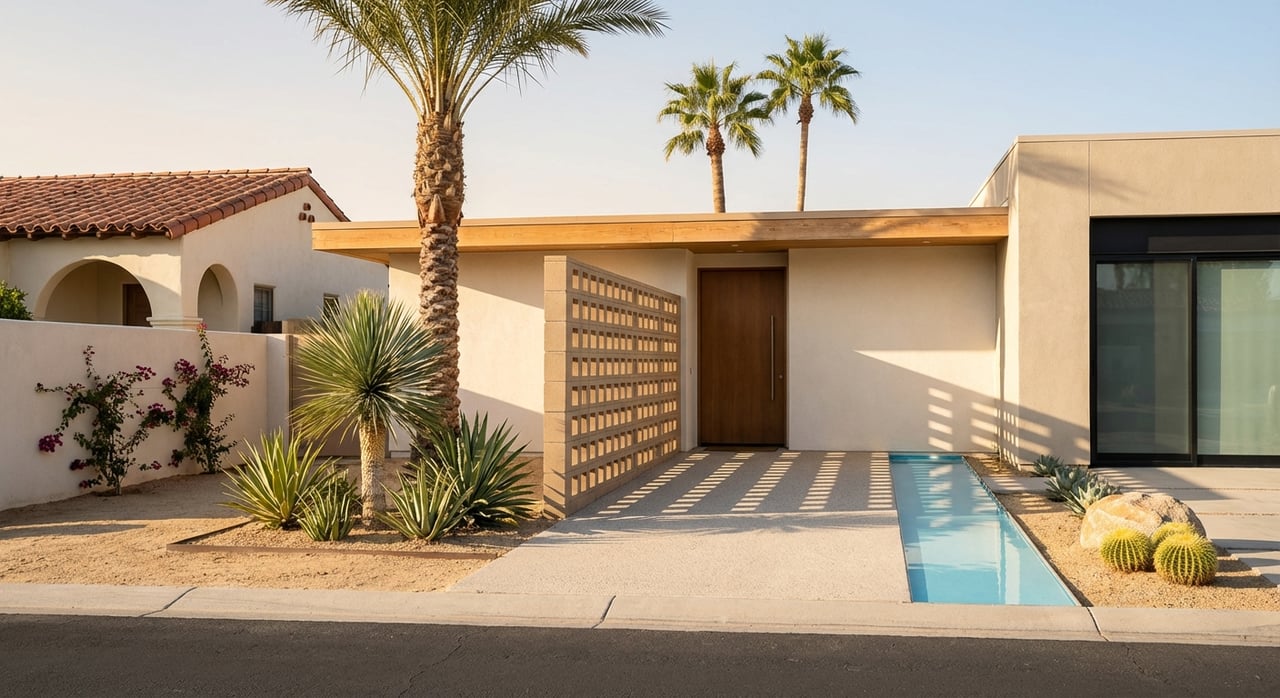
The visual language is easy to spot once you know what to look for. Butterfly or flat roofs, clerestory windows, and post‑and‑beam details often signal authentic mid‑century character. Spanish Revival cues like red‑tile roofs and arched entries tell a different story of privacy and garden courtyards. Contemporary builds lean into towering glass, higher ceilings and new systems. These style choices affect daily living, long‑term upkeep, and rental appeal.
You will find Desert Modernism across Palm Springs, especially in Movie Colony, Twin Palms, Racquet Club Estates, Deepwell, and parts of Old Las Palmas and The Mesa. Look for long horizontal forms, flat or butterfly roofs, wide sliders to patios, clerestory windows, and steel or post‑and‑beam structure. These homes were designed for sun, views and pool‑forward living. To see classic examples and a map of where to look, use the city’s Mid‑Century Architecture Self‑Guided Tour.
Maintenance varies with originality. Single‑pane glazing, older roof membranes, and aging mechanicals can drive near‑term upgrades. The U.S. Department of Energy explains why efficient windows matter in hot climates and outlines options for energy‑efficient window upgrades. Many owners prioritize insulated glazing, modern HVAC, and roof work to protect the look while improving comfort.
Rental appeal is typically very strong for well‑photographed mid‑century homes with privacy and a pool. Local reporting shows robust demand during winter, spring and event seasons, including Modernism Week, which can lift annual revenue for compliant properties. For context on recent performance, see local coverage of a banner year for vacation rental owners. Always evaluate short‑term rental rules and taxes in your analysis.
For more about the design DNA behind these homes, explore this overview of Desert Modernism’s defining features.
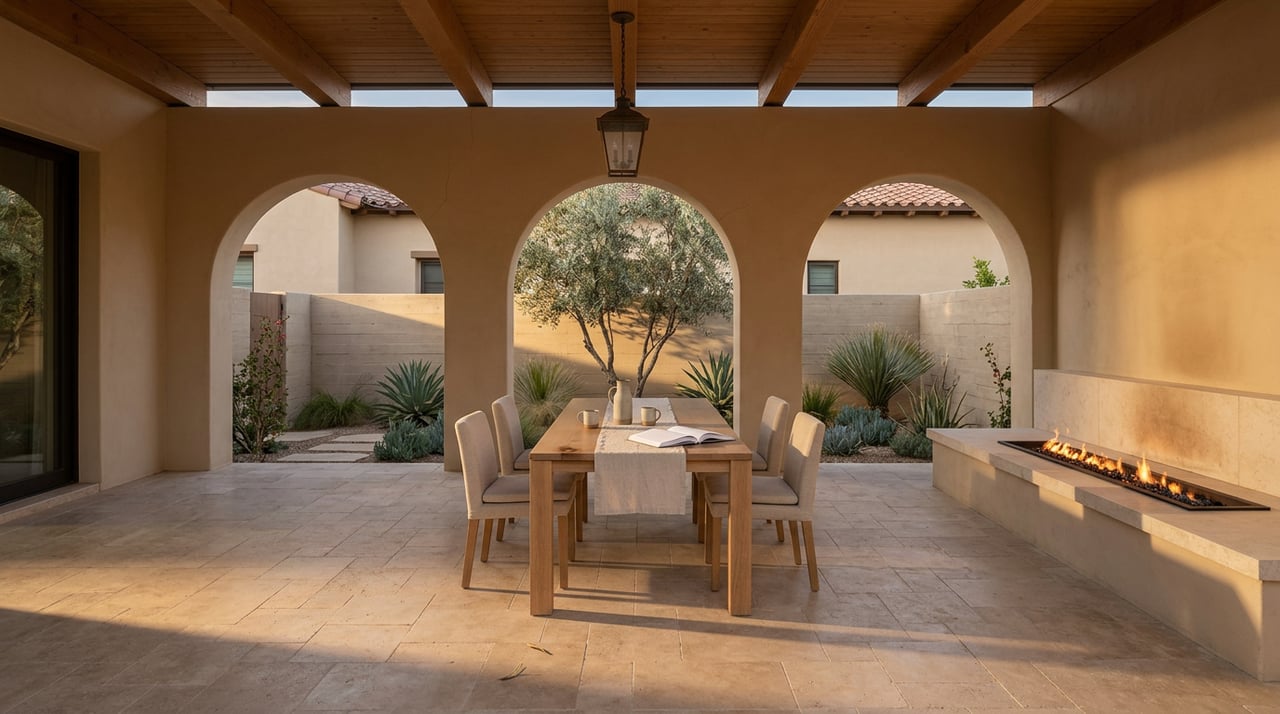
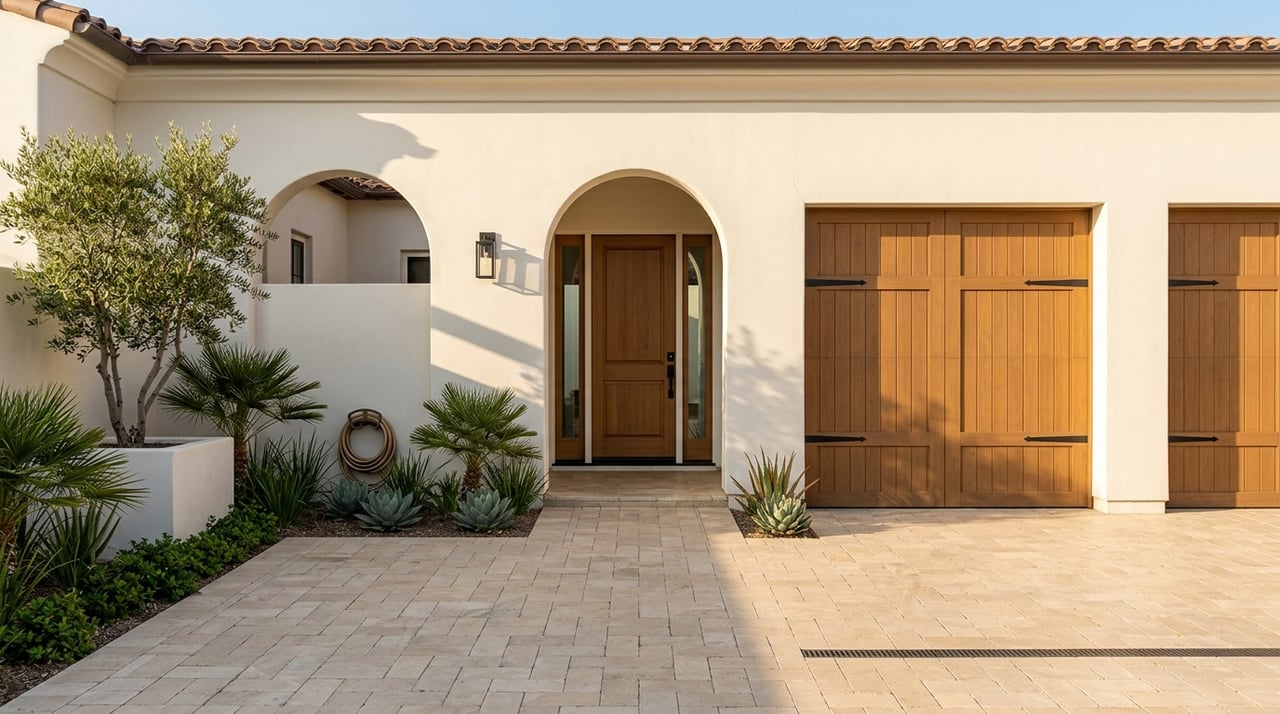
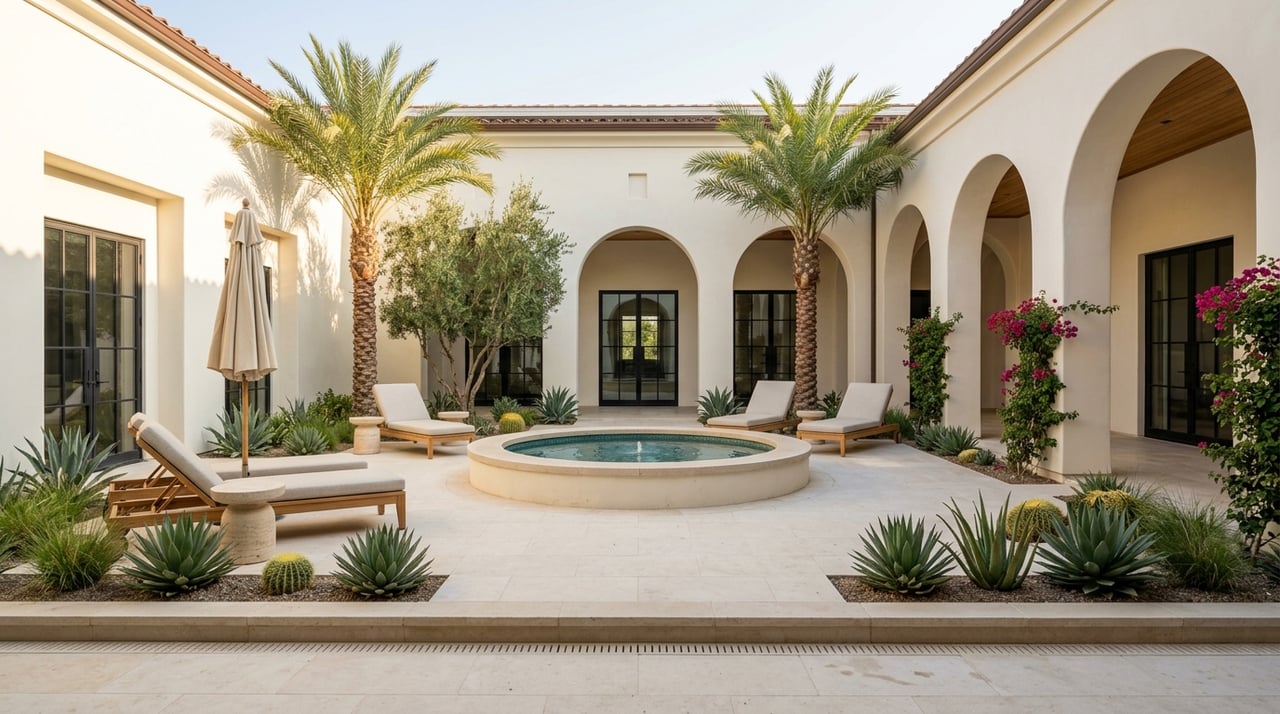
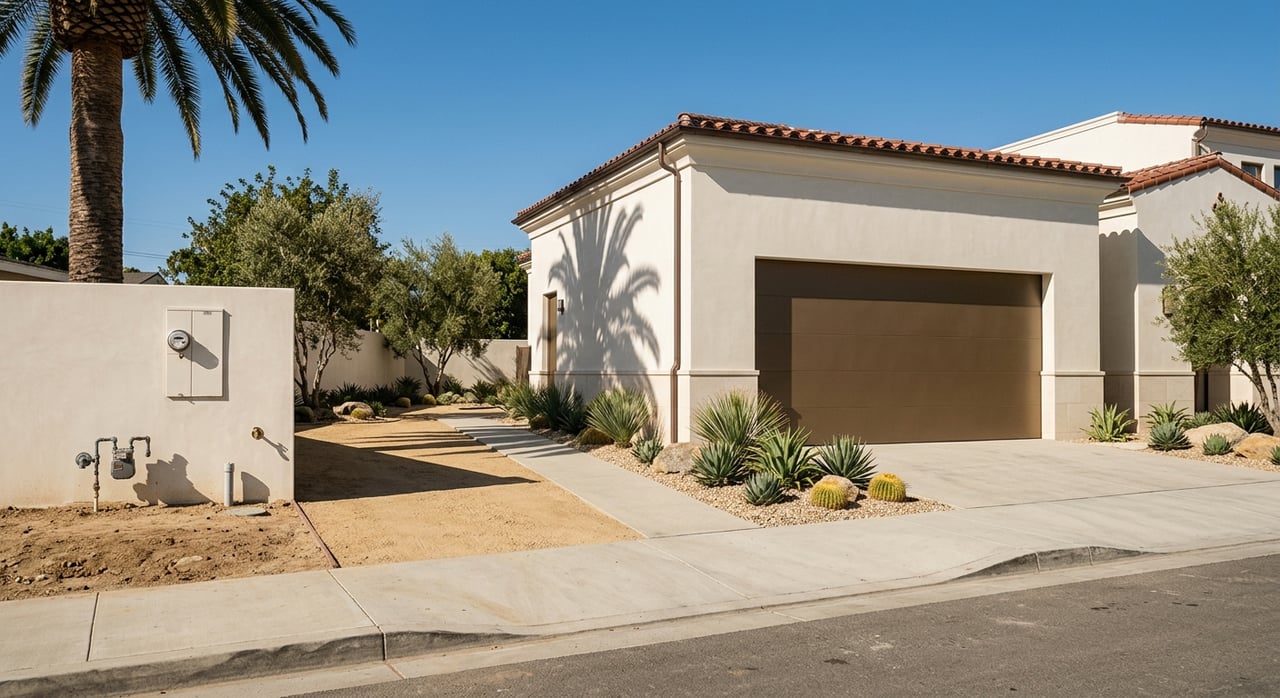
Pockets of Old Las Palmas, Warm Sands and other older west‑side neighborhoods feature historic Spanish‑influenced homes and larger estates. You will notice stucco walls, red‑tile roofs, arches, interior courtyards, decorative tile, and wrought iron accents. These properties often sit on generous lots with lush, private outdoor spaces.
Tile roofs and stucco exteriors are durable but have predictable maintenance cycles. Inspectors should pay special attention to flashing, parapet details and courtyard waterproofing. Pools are common and add an ongoing line item for service, equipment and heating.
These homes attract privacy‑focused buyers and upscale renters who want a classic resort feel. Larger estates, in particular, can position well as premium rentals if local rules allow.
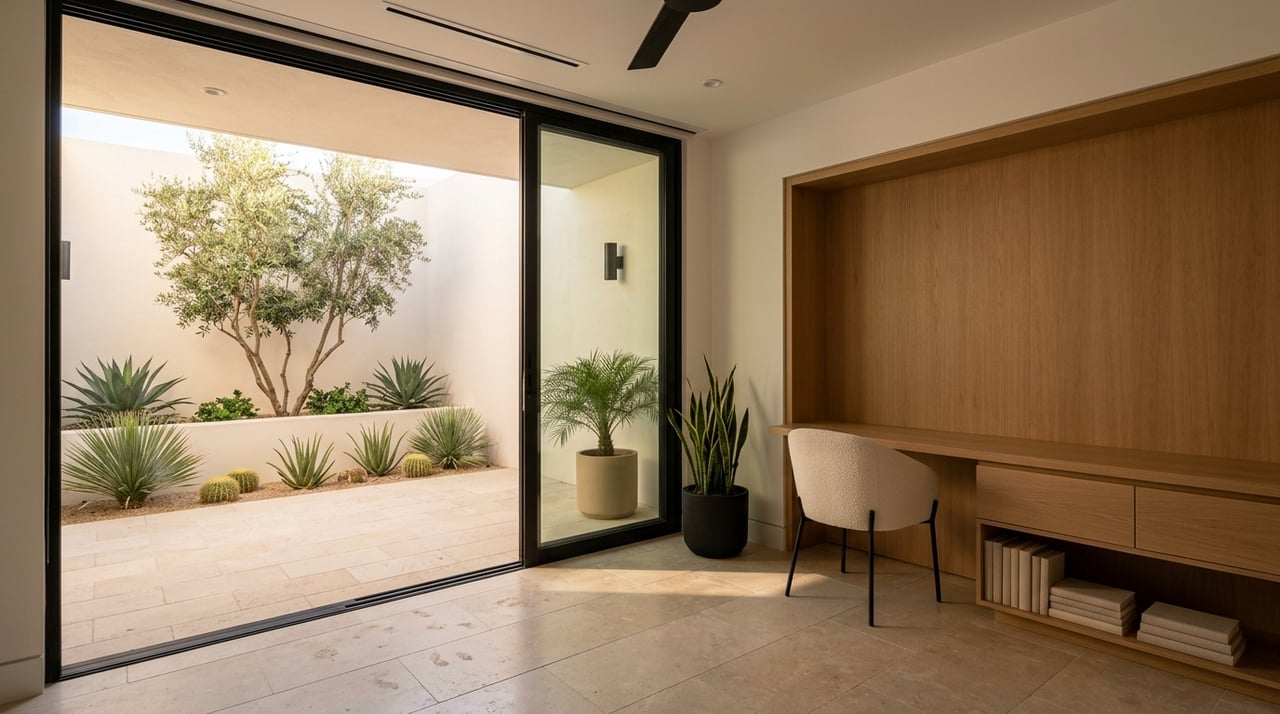
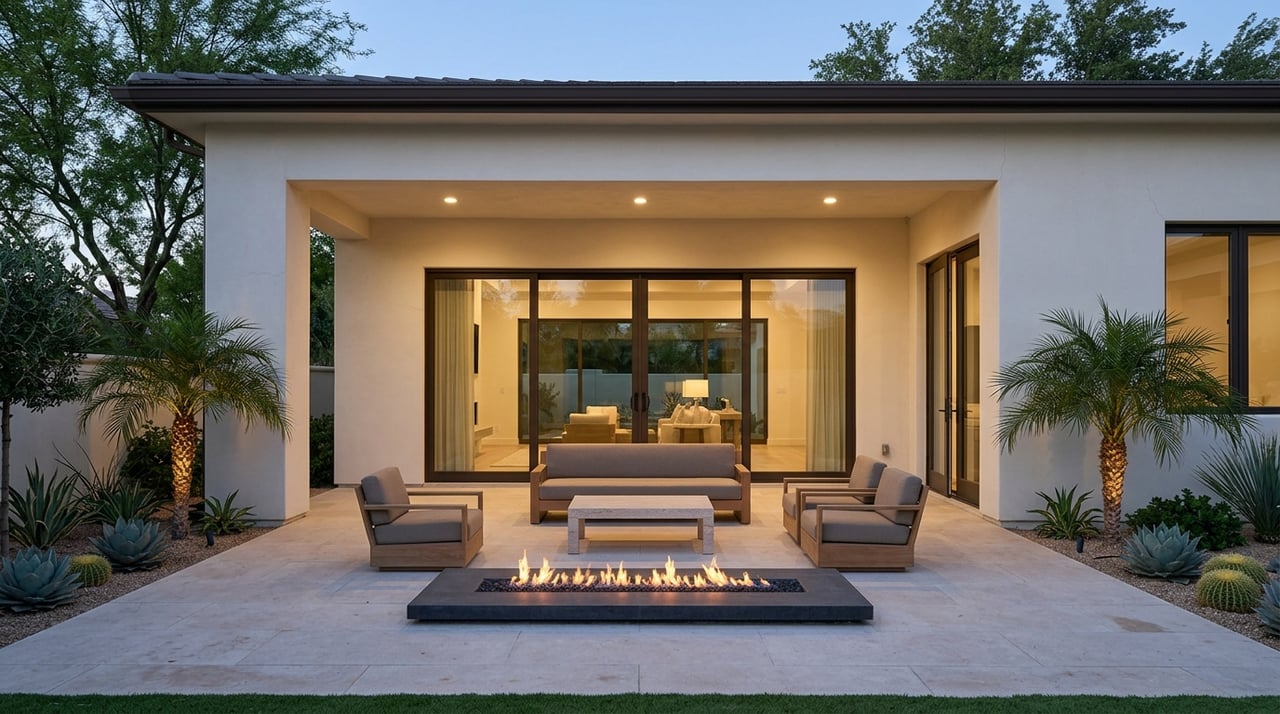
You will see newly built or recently completed modern homes in hillside pockets like Little Tuscany, Indian Canyons and Chino Canyon, as well as on select infill lots. Expect taller ceilings, expansive glass walls, and newer systems that often include solar. Many buyers value the lock‑and‑leave ease, smart‑home features and immediate energy efficiency of these properties.
Short‑term rental appeal can be strong for design‑forward homes that offer privacy, thoughtful landscaping and a resort‑caliber outdoor program. As always, confirm neighborhood rules, permit status and annual booking limits before relying on projected nightly rates.
Neighborhoods like Racquet Club Estates and parts of central and north Palm Springs showcase the more attainable side of mid‑century living. Alexander Construction Co. and architect William Krisel popularized open plans, iconic rooflines and carports on modest footprints. With tasteful updates, these homes are easier to maintain and rent well to couples and small groups who want an authentic Palm Springs experience. To find them, start with the self‑guided tour map of mid‑century neighborhoods.
Neighborhood identity and price often track with style, lot size and views. If you are comparing two similar homes, roof design, glazing, privacy and outdoor layout usually explain the price gap.
Certain design features have predictable cost implications in a hot, dry climate. Knowing them helps you budget and negotiate.
When you scan listing photos and descriptions online, note these cues:
Ask your agent to coordinate inspections that match the home’s style and age:
Palm Springs has a defined regulatory framework for vacation rentals. The municipal code details registration, safety, advertising and enforcement. Before you build a revenue model, read the controlling text in Chapter 5.25 of the municipal code and confirm the neighborhood’s current cap or waitlist status.
Tip: If STR income is part of your strategy, model net ADR after 12.5 percent combined TOT and tourism assessment, and stress test occupancy using seasonal patterns.
Citywide medians have recently clustered around the 650,000 to 750,000 dollar range, with wide variation by neighborhood. Central and north‑side tracts often offer sub‑million options, while hillside pockets and celebrity streets can reach the multi‑million tier. Always review current sales and active comps with your agent to match budget, style and lot characteristics.
Use your lifestyle and ownership goals to guide the decision:
When you align architecture with how you plan to use the home, you get better daily living and better long‑term value.
If you want a concise, expert take on style fit, due diligence and off‑market opportunities, schedule a Private Consultation with Michelle Trotter. You will get discreet guidance, curated options and a plan that respects your time and goals.
Unlocking the Doors to California’s Finest