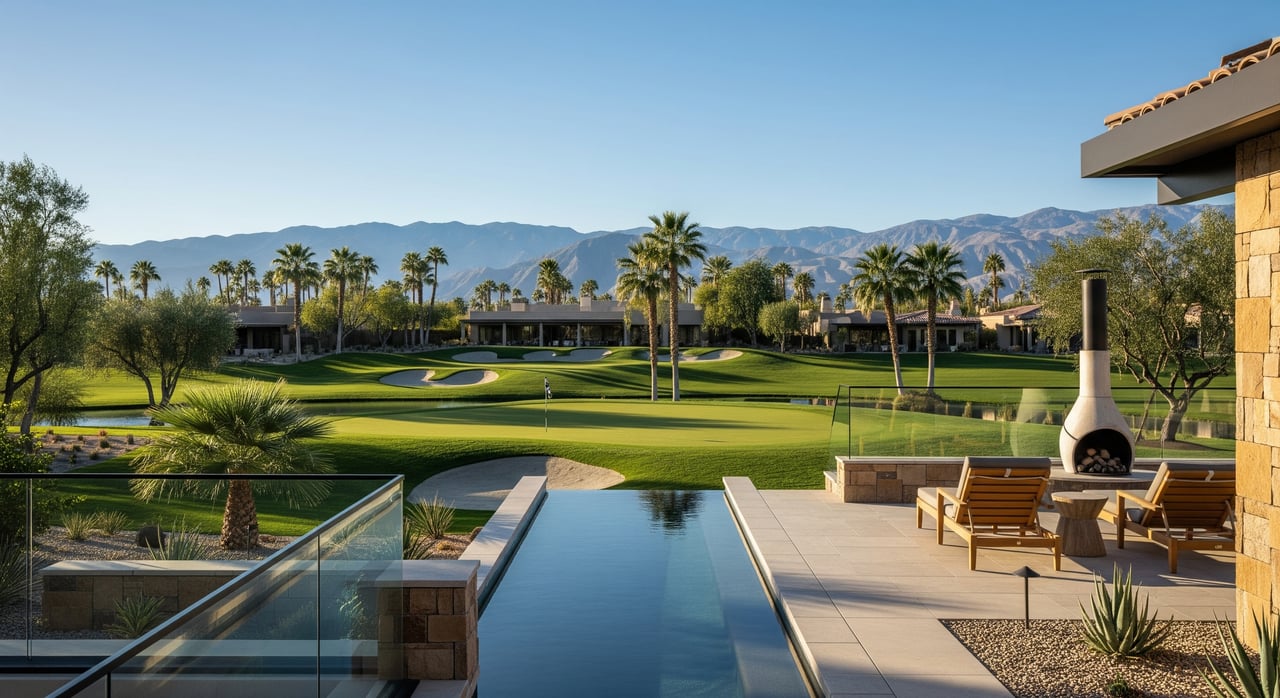
Picture your morning starting with sunshine, a quiet fairway view, and a seamless walk to the first tee. If you are exploring a seasonal or second home in the Coachella Valley, Indian Wells offers a refined version of that lifestyle. You want privacy, quality amenities, and a community that fits the way you live and travel. In this guide, you will learn the types of golf communities in Indian Wells, how memberships and HOAs work, what homes look like, a smart shortlisting process, and a curated two‑day tour plan. Let’s dive in.
How Indian Wells golf living works
Indian Wells sits in the heart of the Coachella Valley and is known for resort amenities, gated neighborhoods, and a strong winter high season. Many buyers arrive from California, the Mountain West, and Canada, looking for low‑maintenance, lock‑and‑leave homes with access to golf, tennis, fitness, and dining.
You will find four common setups:
- Private equity clubs. These are member‑owned or approval‑based with limited public access. They focus on exclusivity, curated events, and consistent course conditions.
- Resort or municipal courses with optional memberships. City or resort facilities allow daily fee play and offer flexible membership programs. They work well if you prefer variety or plan to host guests.
- HOA communities built around a course. A homeowners association manages common areas and interfaces with the course for items like cart paths and landscaping.
- Non‑golf estates with club access. You might choose a private home and join a nearby club for golf or social privileges rather than buying into a golf‑front HOA.
Notable clubs and nearby comparisons
Inside Indian Wells
- The Vintage Club. Recognized as an ultra‑private, member‑owned club with a strong reputation for privacy and custom estates. Expect a curated environment, board approval for membership, and limited public access.
- Municipal and resort golf in Indian Wells. The city supports public and resort golf with membership options. This path suits you if you want access without the governance commitment of an equity club.
- Gated subdivisions along courses. Several HOA neighborhoods in Indian Wells feature homes facing or backing to fairways. Offerings vary by resale activity, so inventory and rules can shift by community.
Membership offerings, waitlists, and fees change. Always confirm current categories, approval processes, and guest policies directly with each club.
Nearby clubs to compare
Many buyers compare Indian Wells with La Quinta, Palm Desert, and Rancho Mirage to find the right lifestyle and value.
- The Madison Club (La Quinta). A private, highly curated environment for privacy‑minded buyers.
- PGA West (La Quinta). Multiple courses, active golf culture, and a range of access models with tournament pedigree.
- La Quinta Resort & Club. Resort‑style access tied to a historic hotel setting, appealing if you like hotel amenities and potential rental flexibility.
- Other La Quinta and Palm Desert options. Consider SilverRock Resort and additional private or resort courses as part of your side‑by‑side evaluation.
Membership structures explained
Understanding your membership options helps you budget and plan access for you and your guests.
- Equity membership. You purchase a share in a member‑owned club and gain voting rights. Transfers often require board approval and may be limited by caps or waitlists.
- Non‑equity membership. The club retains ownership. You pay to use facilities without governance rights, which may simplify joining.
- Social membership. Dining, fitness, tennis, and events are included, but golf may be limited or billed per round.
- Seasonal or limited memberships. Ideal for winter residents who want access during peak months.
- Corporate, temporary, or trial options. Useful if your employer sponsors memberships or you want to test drive a club before committing.
Costs to confirm with each club:
- Initiation or buy‑in and what it covers
- Monthly or annual dues and any food and beverage minimums
- Per‑round, cart, or trail fees
- Guest rules, reciprocal access, and tee‑time policies
- Capital assessments, reserve funding, and renovation plans
- Transferability and resale rules, including waitlists
HOA rules that shape your lifestyle
Your HOA defines daily living, rental potential, and long‑term costs. In California, HOAs are governed by the Davis‑Stirling Common Interest Development Act, which sets disclosure and governance standards.
Request these documents before you write an offer:
- CC&Rs, Bylaws, Rules and Regulations
- Current budget, reserve study, and audited financials if available
- HOA insurance certificates and coverage summaries
- Meeting minutes from the past 12–24 months
- Notices of recent or planned special assessments
- Architectural guidelines and application procedures
Key policies to review closely:
- Rental rules. Many golf communities limit short‑term rentals or set minimum terms. If rental income matters, verify this early.
- Maintenance and landscaping. Clarify who handles course‑adjacent areas, shared walls, drainage, and golf‑ball mitigation.
- Special assessments and reserves. Ask about recent assessments and large upcoming projects.
- Architecture and exterior controls. Check paint, landscaping, pool, and solar rules and the committee’s timelines.
- Easements and cart paths. Homes near fairways may have access easements for golf operations. Inspect for privacy and nuisance issues.
What homes look like in Indian Wells
You will see a range of home types designed for desert living and seasonal use.
- Custom estates and single‑family homes. Often on larger lots with private pools and golf frontage.
- Patio homes and villas. Lower‑maintenance and popular with snowbirds who want lock‑and‑leave convenience.
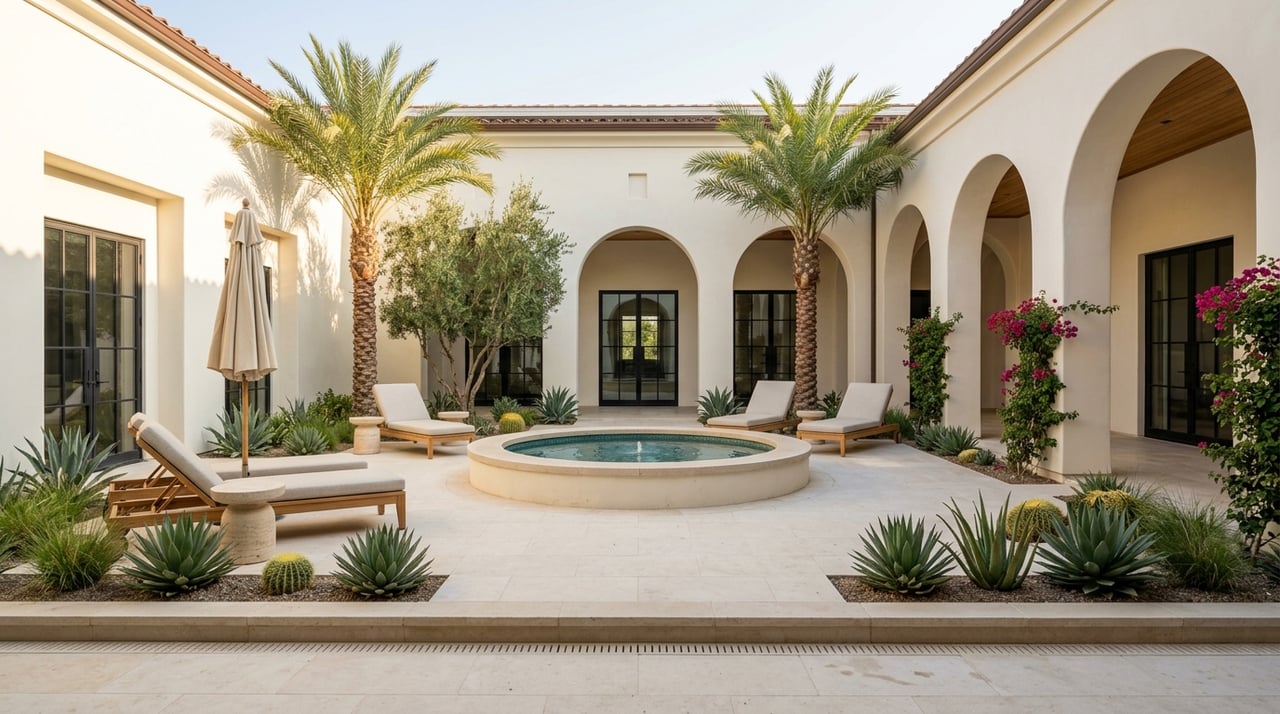
- Gated estate enclaves. High finish levels, private courtyards, and desert‑tolerant landscaping.
- Resort condos. Attractive if you want hotel services or rental programs. These may have separate resort association rules.
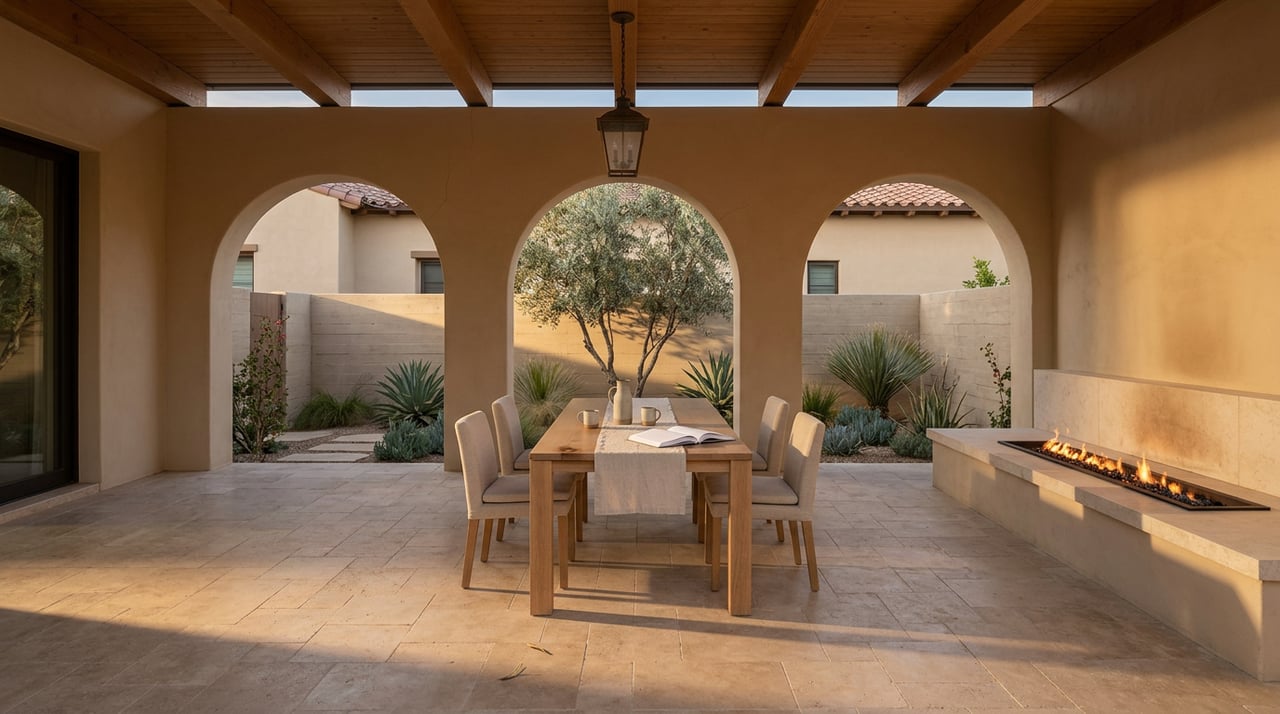
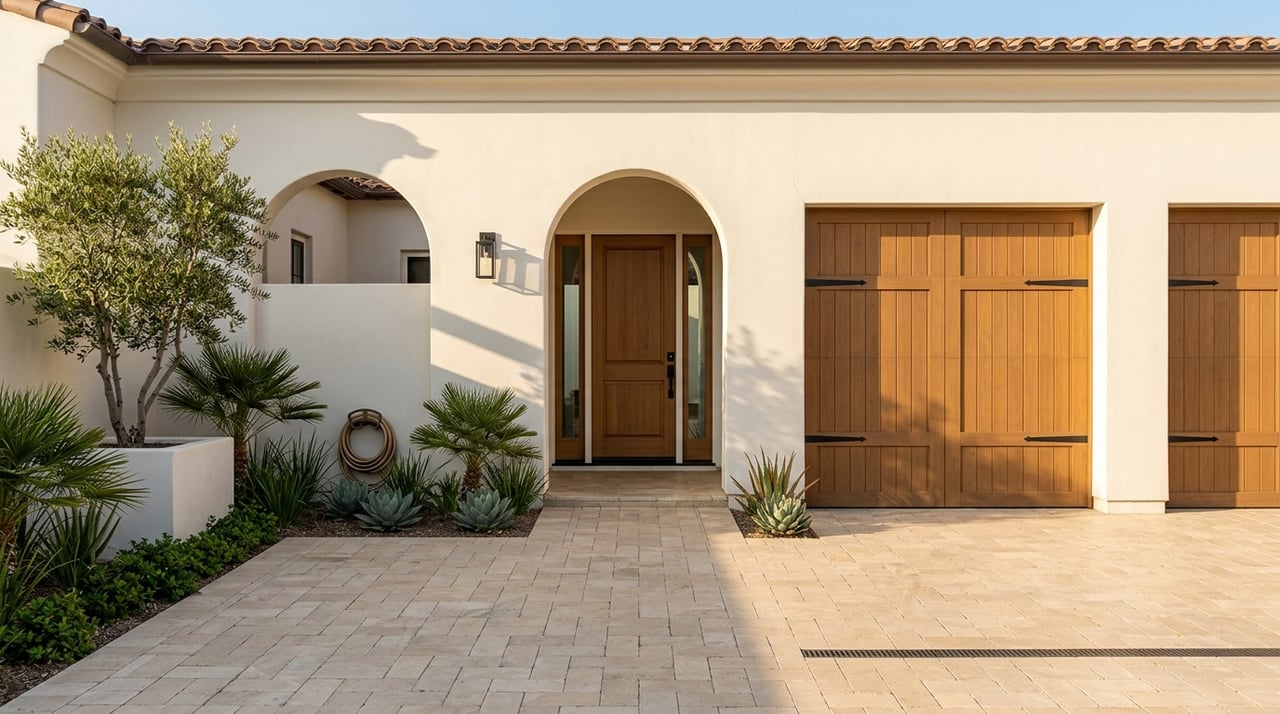
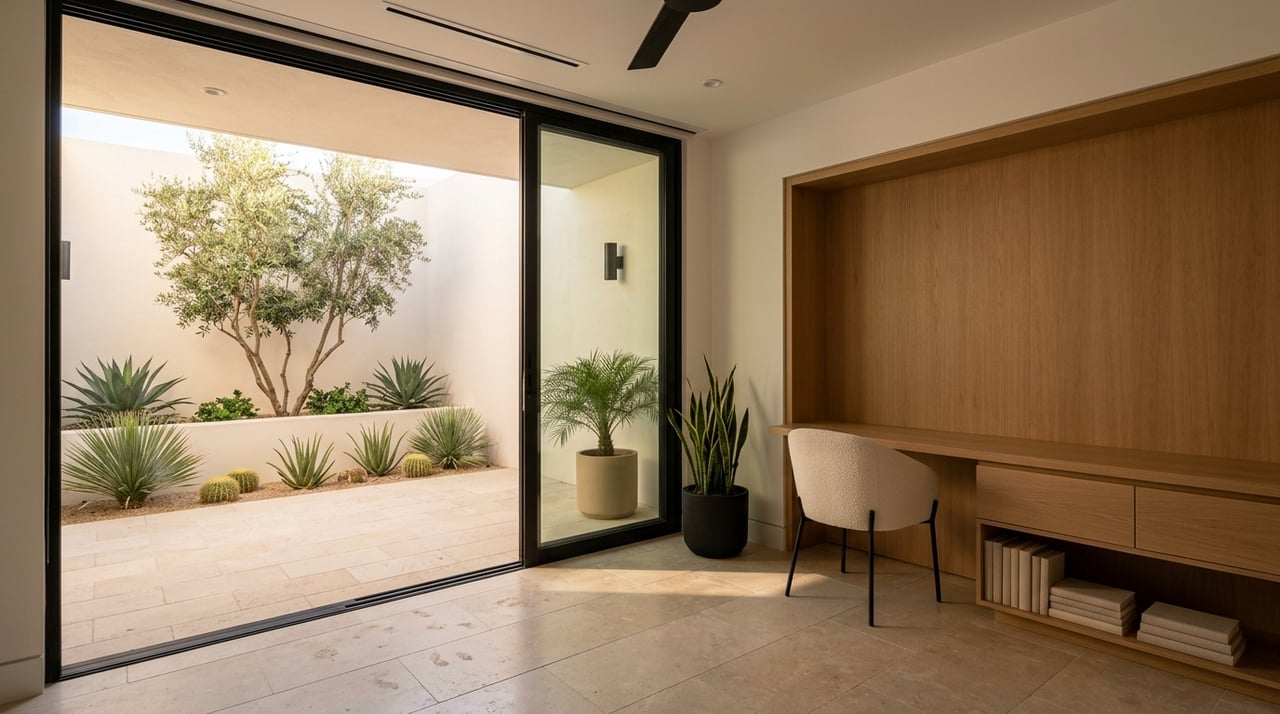
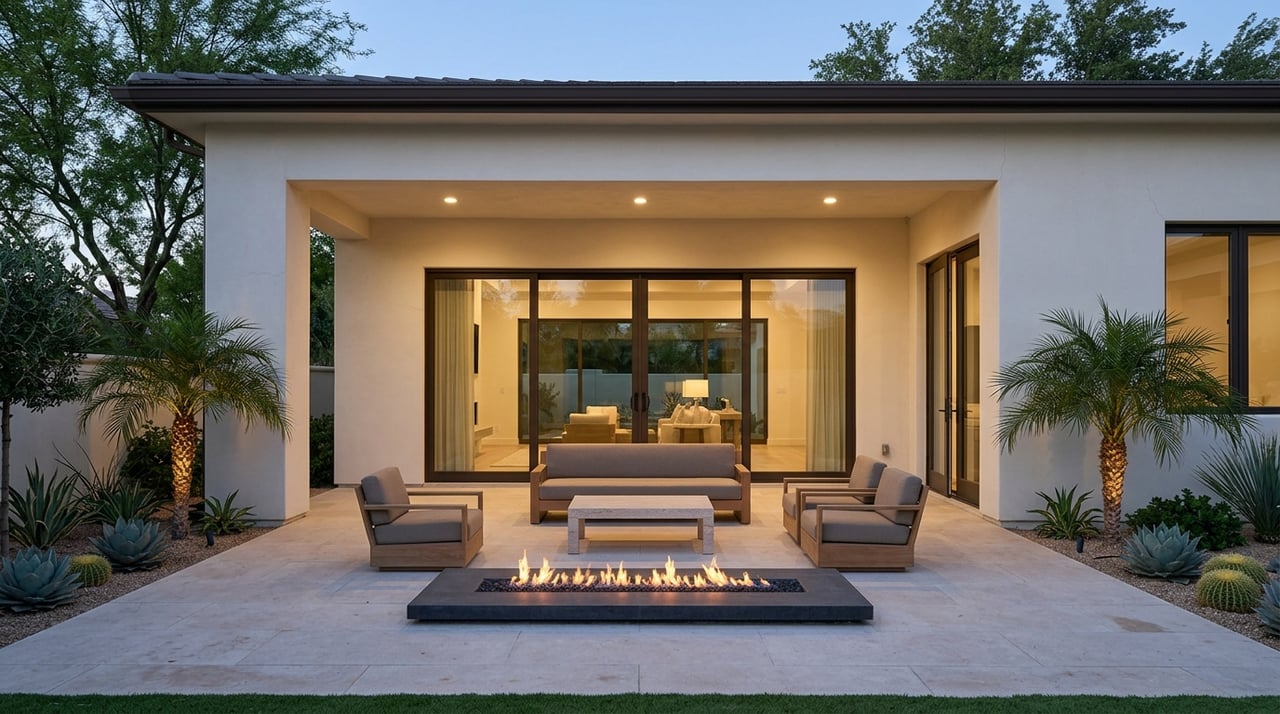
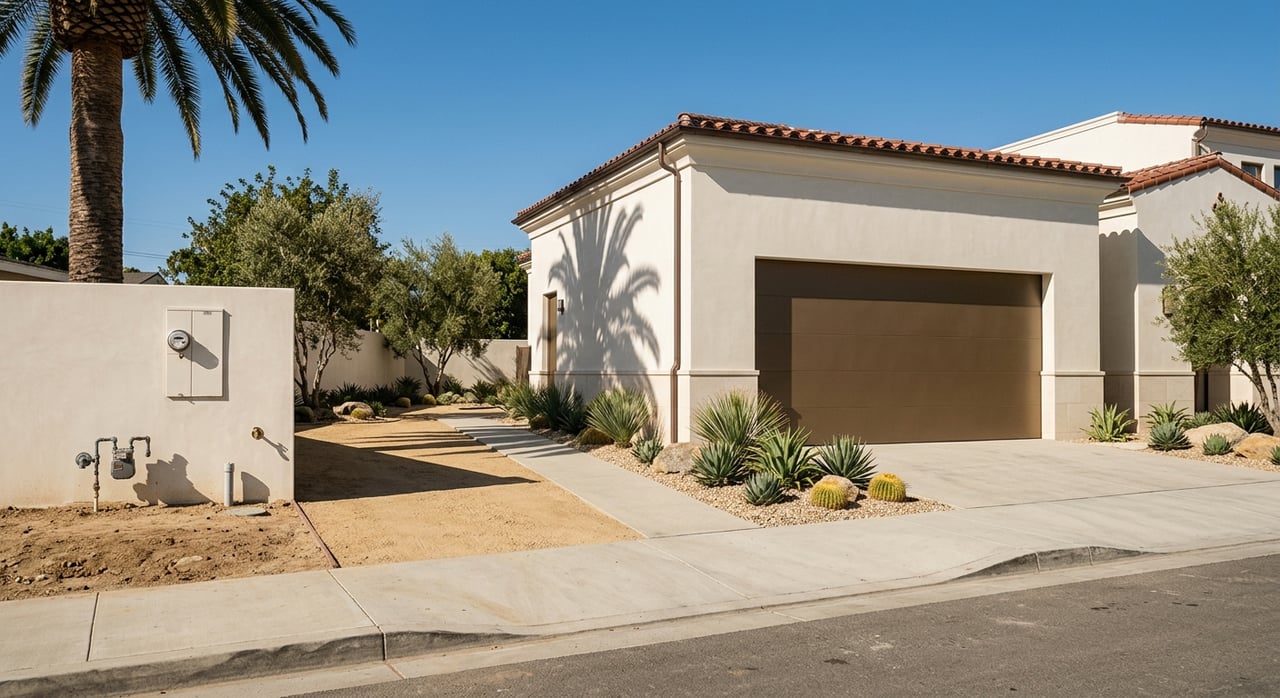
Common styles include Mediterranean or Spanish revival, contemporary desert modern, and regional ranch. Many homes feature indoor‑outdoor plans, smart systems, and energy‑efficient upgrades that matter in hot summers.
Lot positions to evaluate
- Golf‑front. Premium views and easy access. Balance that with privacy and stray ball risk.
- Golf‑adjacent. Separated by paths or service roads, which can reduce ball risk.
- Interior lots. Often quieter and may carry lower exposure to course activity.
Seasonal buyer priorities
- Low‑maintenance landscaping and reliable property management
- Efficient HVAC and smart monitoring for vacant periods
- Pool care plans and service continuity during your absence
- Guest hosting rules and winter occupancy reporting in your HOA
- Proximity to Palm Springs International Airport and medical services
How to shortlist the right communities
Follow a clear process to save time and avoid surprises.
- Define your lifestyle. Decide on exclusivity level, golf access, social amenities, and whether rental potential is important.
- Choose a membership path. Will you buy a home with a transferable membership, apply after closing, or rely on resort access without membership?
- Set budget filters. Use initiation and dues ranges, plus F&B minimums and assessments, to rule out clubs that do not fit.
- Apply HOA rules early. Exclude communities that ban your desired rental strategy or do not align with your architectural plans.
- Narrow to 4–6 communities. Include one aspirational choice, one resort option, and several practical fits. Coordinate appointments with membership directors in advance.
Sample two‑day discovery tour
Use this itinerary to evaluate lifestyle, logistics, and homes side by side.
Day 1: Discovery and club meetings
- Morning: Fly into Palm Springs International and arrive in Indian Wells.
- Late morning: Drive through shortlisted communities to assess streets, proximity to services, and first impressions.
- Lunch: Dine at your top club or resort to gauge service and ambiance.
- Afternoon: Meet the club membership director or GM for a facilities tour and to collect membership materials and dues information.
- Late afternoon: Preview 2–3 homes that match your preferred lot positions.
- Evening: Dinner at a local restaurant or club event to observe activity level.
Day 2: Deep dives and administration
- Morning: Second walk‑through of 1–2 finalists, ideally with an inspector or contractor for quick notes on systems.
- Midday: Meet the HOA manager or a property management firm to discuss rental rules, maintenance, and emergency services. Request CC&Rs, the budget, the reserve study, and recent minutes.
- Afternoon: Visit nearby comparison communities in La Quinta or Palm Desert.
- Late afternoon: Debrief with your agent on offers, membership application timelines, and document review windows.
Key questions to ask
Use this checklist when meeting clubs and HOAs.
Clubs
- What are initiation structures, monthly dues, F&B minimums, and any capital assessments?
- Are there waitlists, membership caps, approval processes, or reciprocity arrangements?
- How are tee times prioritized for residents and guests, and what are guest limits?
HOAs
- What are the rental rules, architectural controls, and landscaping standards?
- What is the reserve status, any recent special assessments, and the meeting minutes highlights?
- What are the insurance coverages and owner responsibilities for deductibles after an event?
Risks to watch and negotiation levers
Recognize common issues and plan protections in your offer.
- Hidden HOA liabilities or deferred maintenance
- Membership uncertainty due to caps, approvals, or waitlists
- Rental restrictions that limit short‑term income plans
- Course maintenance or repurposing risk; confirm long‑term plans
- Seasonal logistics, including pool care and irrigation during vacancy
Negotiation strategies that help:
- Contingencies tied to club and HOA document review
- Seller disclosures on membership status and past HOA assessments
- Escrow credits or holdbacks if capital projects are underway
Work with a concierge advisor
Indian Wells offers a range of pathways, from ultra‑private equity clubs to flexible resort access. The right fit depends on your lifestyle, budget, and how you plan to use the home. A boutique advisor can pre‑screen memberships and HOAs, coordinate private tours with club directors, and align property options with your travel and maintenance needs.
With a concierge approach and access to curated on‑ and off‑market options, Michelle Trotter can help you compare communities across Indian Wells, La Quinta, Palm Desert, and Rancho Mirage. You will get a precise shortlist, document guidance under California HOA rules, and a smooth path to closing with property management support if you need it. Ready to map your Indian Wells plan? Connect with Michelle Trotter.
FAQs
What types of Indian Wells golf communities are available?
- You can choose among private equity clubs, resort or municipal courses with optional memberships, HOA neighborhoods around fairways, and private estates with separate social or golf access.
How do HOA rental rules affect my strategy in a golf community?
- Many HOAs set minimum rental terms or limit frequency, so verify rules early if you plan seasonal rentals or want the option for guest stays.
Can I buy a home now and join a club later in Indian Wells?
- Often yes, but access is not guaranteed; confirm membership availability, caps, approval requirements, and waitlists before you commit to a property.
What should I budget for beyond initiation and dues?
- Ask about food and beverage minimums, cart or trail fees, capital assessments, and any planned renovations that could affect future costs.
What is the Davis‑Stirling Act and why does it matter?
- It is California’s framework for HOA governance and disclosures, which protects your rights and sets standards for documents, reserves, and meeting procedures.
Is Indian Wells a good base for seasonal living?
- Yes, the area is designed for second‑home lifestyles with resort amenities, a winter high season, a short drive to Palm Springs International Airport, and access to medical services.