Corona Del Mar Village Lifestyle on the Newport Coast
May 28, 2026
May 28, 2026
If you are drawn to coastal living but want something more intimate than a large beach district, Corona del Mar deserves a closer look. This Newport Beach village blends ocean access, a walkable commercial corridor, and a housing mix that feels both established and evolving. If you want to understand what daily life here really looks like, this guide will walk you through the setting, lifestyle, and housing character that make Corona del Mar stand out. Let’s dive in.
Corona del Mar is not its own city. It is one of the distinct villages within Newport Beach, located on the south end of the city and known for its public beaches, scenic viewpoints, and a downtown corridor of shops, boutiques, and restaurants.
That village identity matters. The City of Newport Beach describes Corona del Mar as a pedestrian-oriented retail village, and its planning documents note that many buildings front directly onto the sidewalk. In practical terms, that creates a more local, walkable feel than you might expect from a coastal luxury market.
Some coastal neighborhoods feel built for visitors first. Corona del Mar feels more like a place where daily routines and coastal access naturally overlap.
The commercial corridor is designed at a local scale, and city planning efforts aim to complement the existing character rather than dramatically reshape it. That helps preserve the sense that you are living in a neighborhood village, not in a resort center.
For many buyers, that is the appeal. You get Newport Beach coastal access, but in a setting that reads as smaller, calmer, and easier to navigate day to day.
One of the clearest reasons Corona del Mar stands out is how fully the beach is woven into the neighborhood. This is not just a place near the ocean. It is a place where public beach access is central to the experience of living there.
Corona del Mar State Beach, often called Big Corona Beach, is a half-mile sandy beach framed by cliffs and a rock jetty at the east entrance to Newport Harbor. According to Visit Newport Beach, it is open daily from 6 a.m. to 10 p.m. and is used for swimming, surfing, diving, volleyball, and sunbathing.
The City of Newport Beach also notes that the beach includes fire rings and a lifeguard headquarters. For you as a buyer or seller, that paints a clear picture of a beach that supports both casual everyday use and classic coastal recreation.
Corona del Mar also offers smaller, more tucked-away coastal spots. Little Corona del Mar Beach is known for rocky reefs, tidepools, snorkeling, and protected water, while Pirate’s Cove below Lookout Point is known for calm water and sea caves.
These smaller beach areas help explain why Corona del Mar often feels so neighborhood-oriented. You are not only near a major public beach. You are also near quiet coves that add variety to everyday life along the coast.
The outdoor appeal goes beyond the sand. The city highlights Lookout and Inspiration Points as part of the Corona del Mar experience, and Sherman Library and Gardens adds another layer with its 2.2-acre horticultural setting, brick walkways, flowering beds, and conservatories.
Together, these places give the neighborhood a rhythm that feels relaxed and visually rich. Whether you are taking in ocean views or enjoying a quieter inland garden setting, the environment is a meaningful part of the lifestyle.
Corona del Mar has a housing story that feels layered rather than uniform. It is one of the reasons the neighborhood appeals to buyers who want character along with coastal convenience.
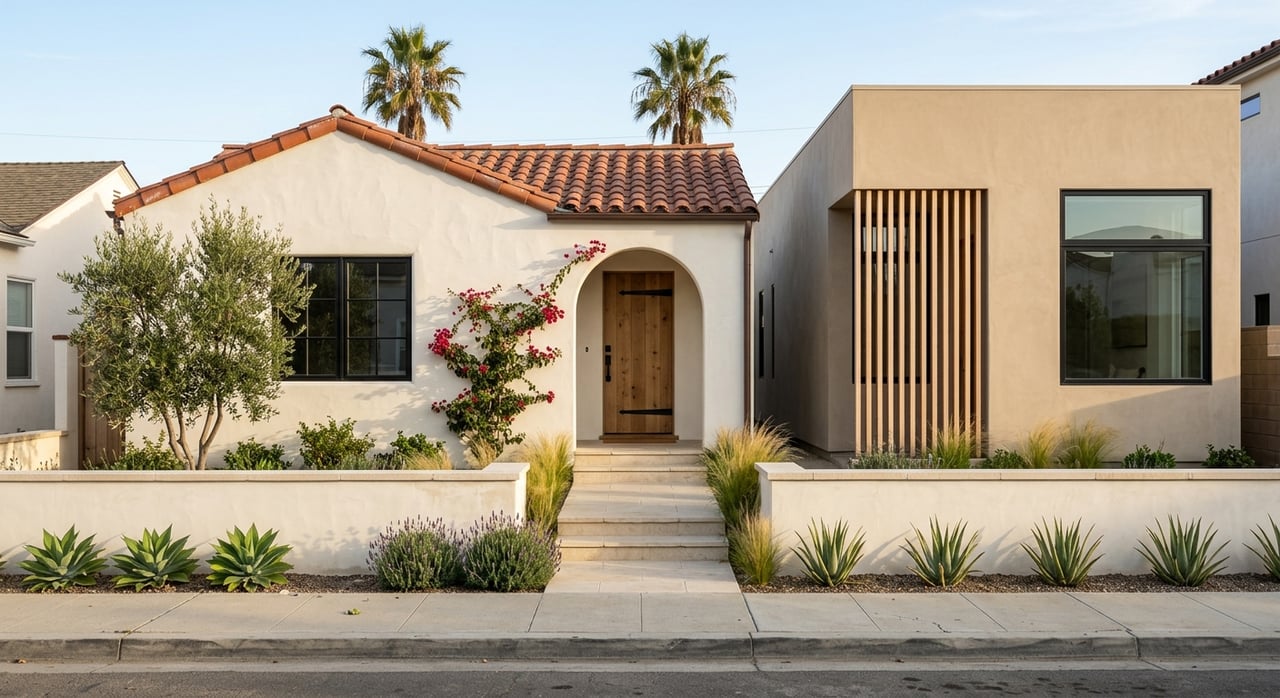
The City of Newport Beach’s cottage-preservation program helps explain an important part of old Corona del Mar. The city describes cottages as smaller residential structures that reflect traditional development patterns, often one-story homes with, in some cases, a small second story over rear parking.
That cottage history still shapes how parts of Corona del Mar feel today. Even as homes change over time, the older scale and pattern of development remain part of the neighborhood’s identity.
Corona del Mar is also a place of ongoing reinvestment. City planning materials and corridor studies show that local officials are evaluating housing, parking, and commercial improvements while emphasizing that new development should complement the area’s existing scale and village character.
For you, that means the housing mix is not frozen in place. Traditional cottages, updated homes, and selective newer construction exist side by side, which creates a streetscape with variety while still reflecting the area’s established grain.
In practical terms, buyers are often comparing not just square footage or finishes, but also setting and feel. In Corona del Mar, the appeal often comes from how architecture, lot patterns, and proximity to the village corridor work together.
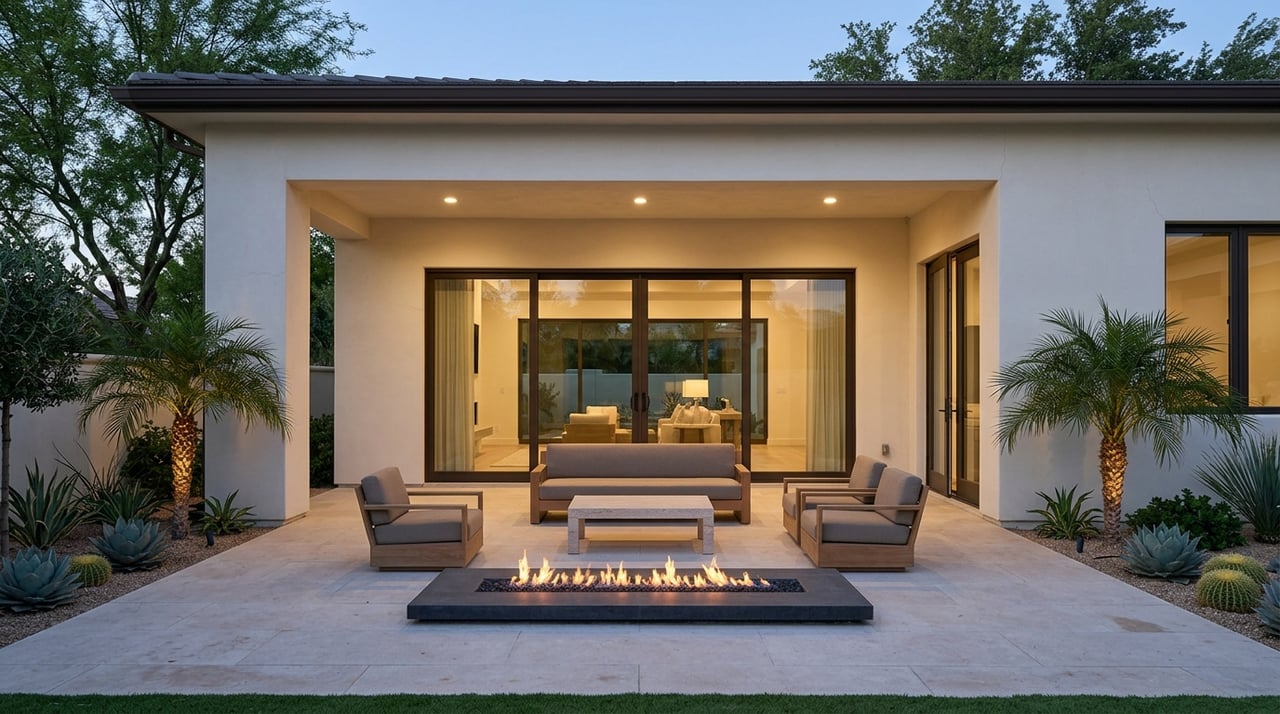
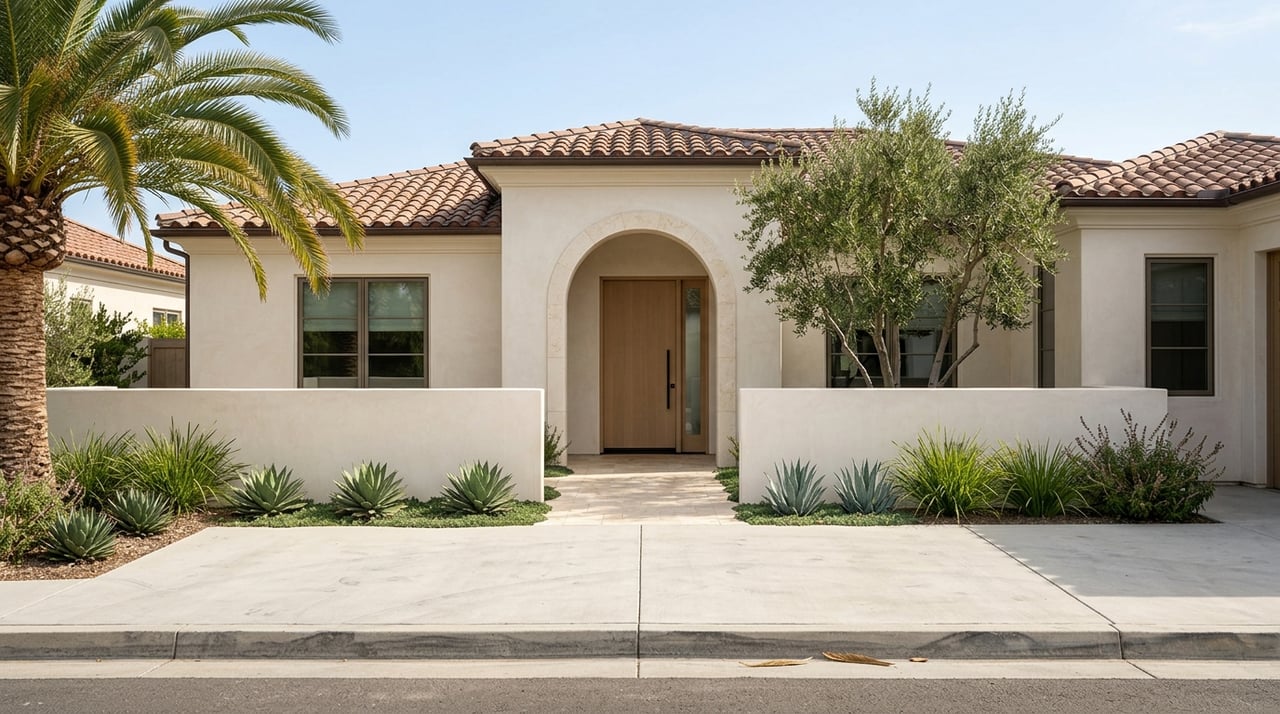
Some homes reflect the area’s earlier cottage pattern. Others reflect newer design choices and modern updates. That blend is a defining part of the neighborhood rather than an exception.
If you are exploring coastal Orange County, it helps to understand that Newport Beach is made up of distinct villages, each with its own identity. Corona del Mar is one of them, and it offers a different experience than nearby areas.
The City of Newport Beach describes Newport Coast as a newer area that includes newer homes, upscale hotels, Pelican Hill Golf Course, and nearby access to Crystal Cove State Park. By contrast, Corona del Mar is better understood as a village-scale coastal neighborhood with its own beach and local commercial corridor.
That distinction can help clarify your search. If you want a newer, hillier, more resort-like setting, Newport Coast may align with that preference. If you want something more intimate, walkable, and locally scaled, Corona del Mar offers a different kind of coastal experience.
Newport Center and Fashion Island form yet another distinct part of Newport Beach, with high- and mid-rise buildings plus major shopping and dining. Corona del Mar feels smaller in scale by comparison.
That difference is part of what gives Corona del Mar its appeal. You are still within Newport Beach, but the day-to-day environment is shaped more by village rhythm, local beach access, and neighborhood-scale streets.
Corona del Mar is served within Newport-Mesa Unified, and the neighborhood has school anchors of its own. Harbor View Elementary is located in Corona del Mar and offers enrichment programs that include chorus, band, coding, robotics, and an innovation lab.
Corona del Mar Middle and High School is located in Newport Beach and emphasizes academics, athletics, and the arts. For buyers who want to understand the area in practical terms, these campus anchors are part of the neighborhood fabric.
It is also useful to note that Newport Coast Elementary is in Newport Coast and opened in 2001, reflecting the newer residential setting there. This reinforces how different areas within Newport Beach can offer distinct physical environments and community patterns.
For buyers, Corona del Mar can appeal if you value a coastal location that feels established, navigable, and connected to daily amenities. The combination of public beaches, scenic points, garden spaces, and a pedestrian-oriented corridor creates a lifestyle that is hard to reduce to a single feature.
For sellers, the neighborhood story matters just as much as the property itself. Buyers are often responding to the village identity, the beach-centered setting, and the balance between traditional character and continued reinvestment.
In a market like Corona del Mar, the details of positioning matter. A thoughtful strategy can help frame how your home fits into the larger lifestyle buyers are seeking.
If you are considering a move in or around Corona del Mar, working with an advisor who understands both the local lifestyle and the nuances of high-value coastal transactions can make the process more efficient and more informed. For discreet guidance on buying, selling, leasing, or evaluating private opportunities in Newport Beach and nearby coastal neighborhoods, connect with Michelle Trotter.
Unlocking the Doors to California’s Finest