How to Buy a Palm Springs Home for a Hybrid Lifestyle
July 9, 2026
July 9, 2026
Thinking about a Palm Springs home that works as both a retreat and a real-life base? You are not alone. Many buyers want a place that supports remote work, easy travel, seasonal hosting, and lower-maintenance ownership without giving up comfort or style. The good news is that Palm Springs is unusually well positioned for that mix, and with the right strategy, you can buy a home that truly fits how you live. Let’s dive in.
Palm Springs offers a rare mix of convenience, climate, and neighborhood variety. The city’s planning goals focus on a compact urban village feel, stronger neighborhood character, and better bike, pedestrian, and transit access, especially around downtown. That matters when you want a home that supports both everyday routines and short-stay flexibility.
Travel convenience is a major advantage here. Palm Springs International Airport is the only airline-service airport for Palm Springs and the entire Coachella Valley, and it is about two miles from downtown. If you split time between markets or travel often for work, that short distance can make a real difference in how easy ownership feels.
Downtown also adds practical value to a hybrid lifestyle. You have recurring events like VillageFest on Thursday nights, and the downtown garage offers four hours of free parking. Combined with nearby dining, shopping, and service areas, that creates a more efficient day-to-day experience for owners who want less friction.
Palm Springs is a desert market, so climate is not a side note. It should directly shape the home you buy. NOAA data for Palm Springs Regional Airport shows a January mean high and low of 70.5°F and 47.6°F, a July mean high and low of 108.6°F and 79.4°F, and annual precipitation of just 4.61 inches.
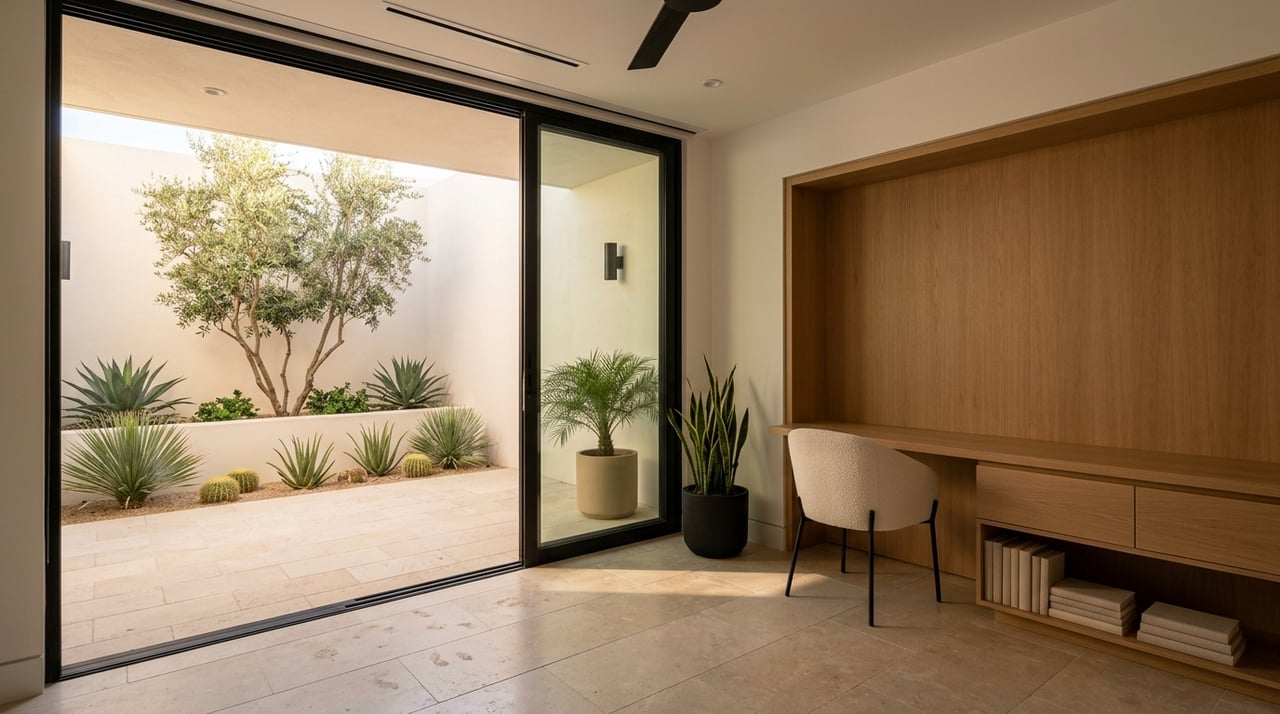
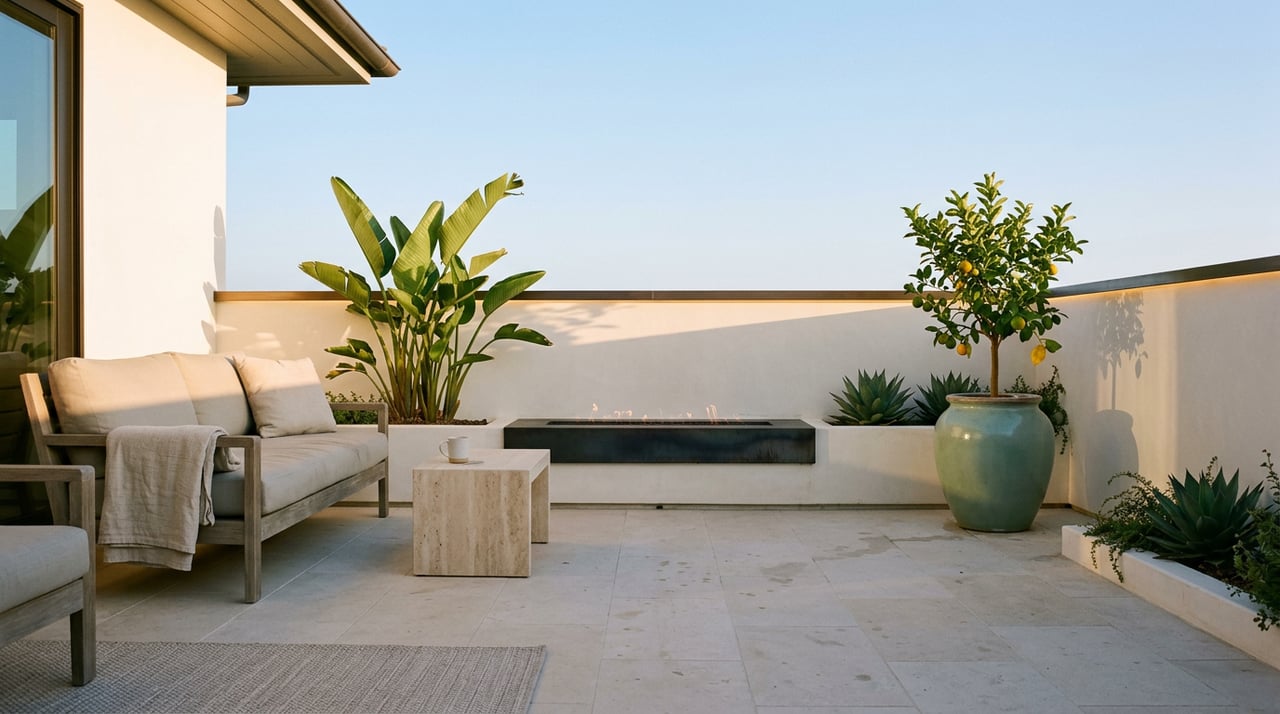
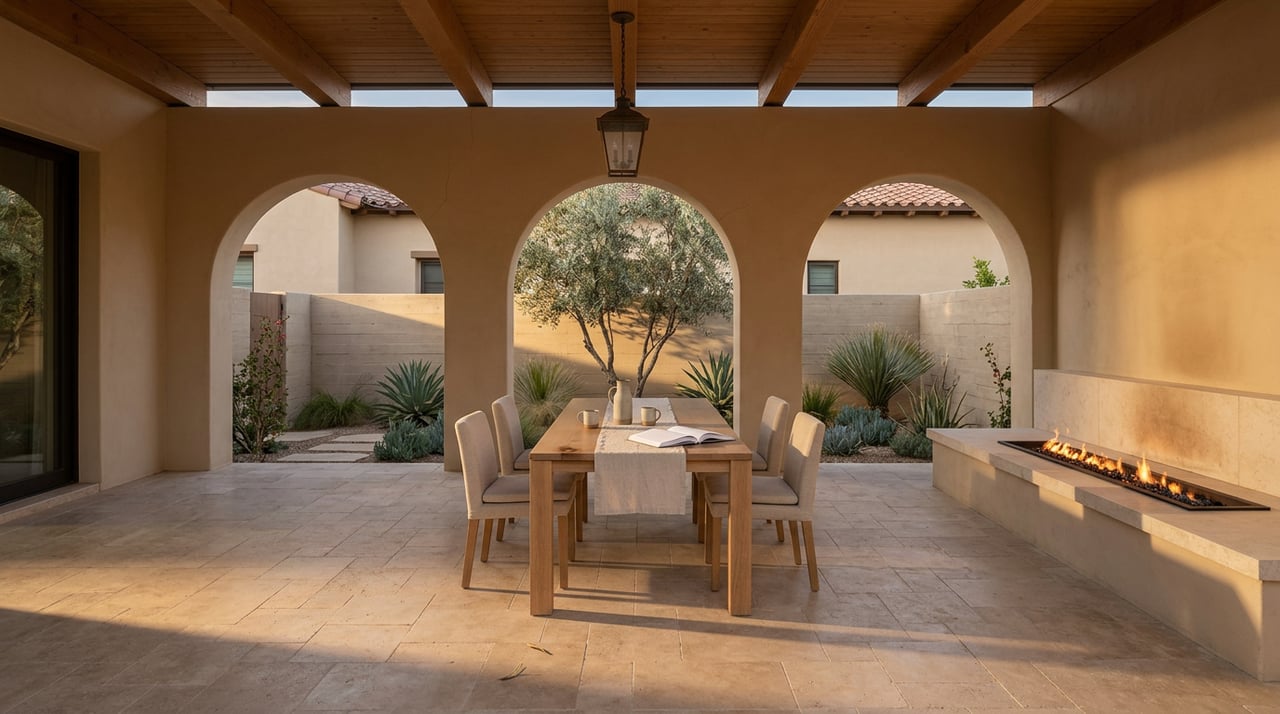
In practical terms, you should treat cooling, shade, and outdoor comfort as essential features. A covered patio, efficient HVAC, and low-maintenance landscaping are not just nice extras in Palm Springs. They are part of what makes a home comfortable and manageable, especially if you will not be there full time.
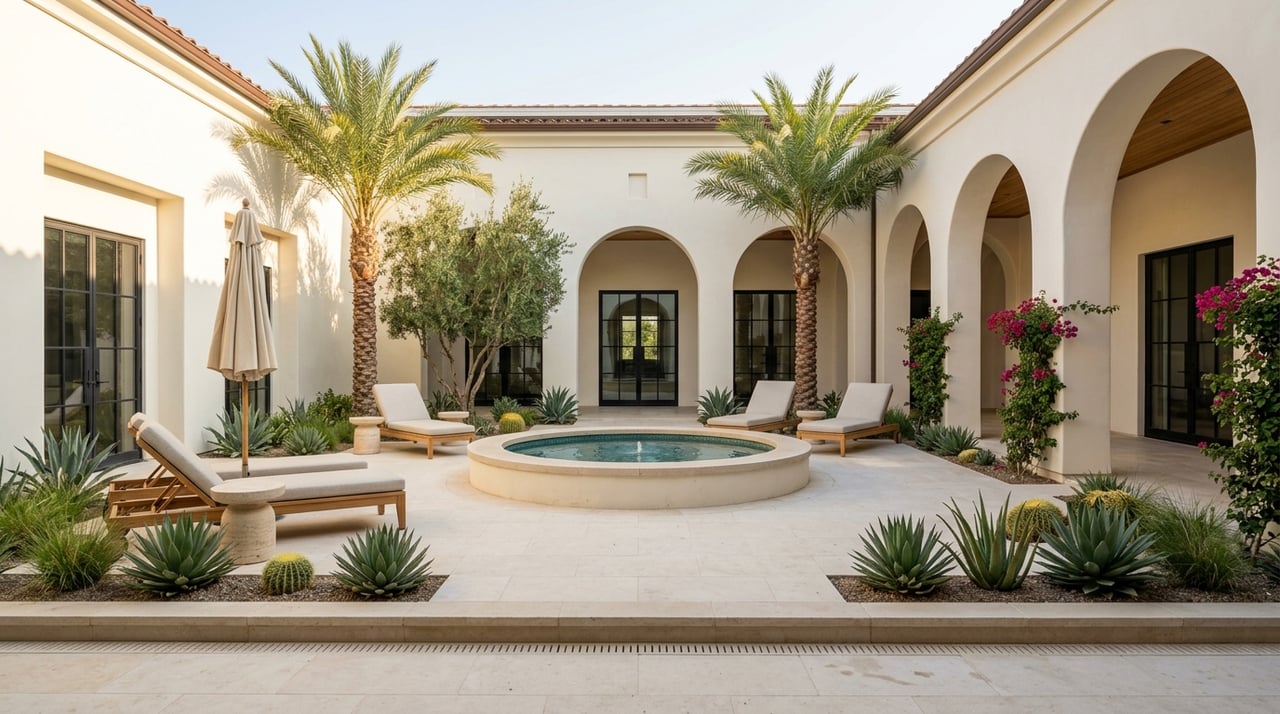
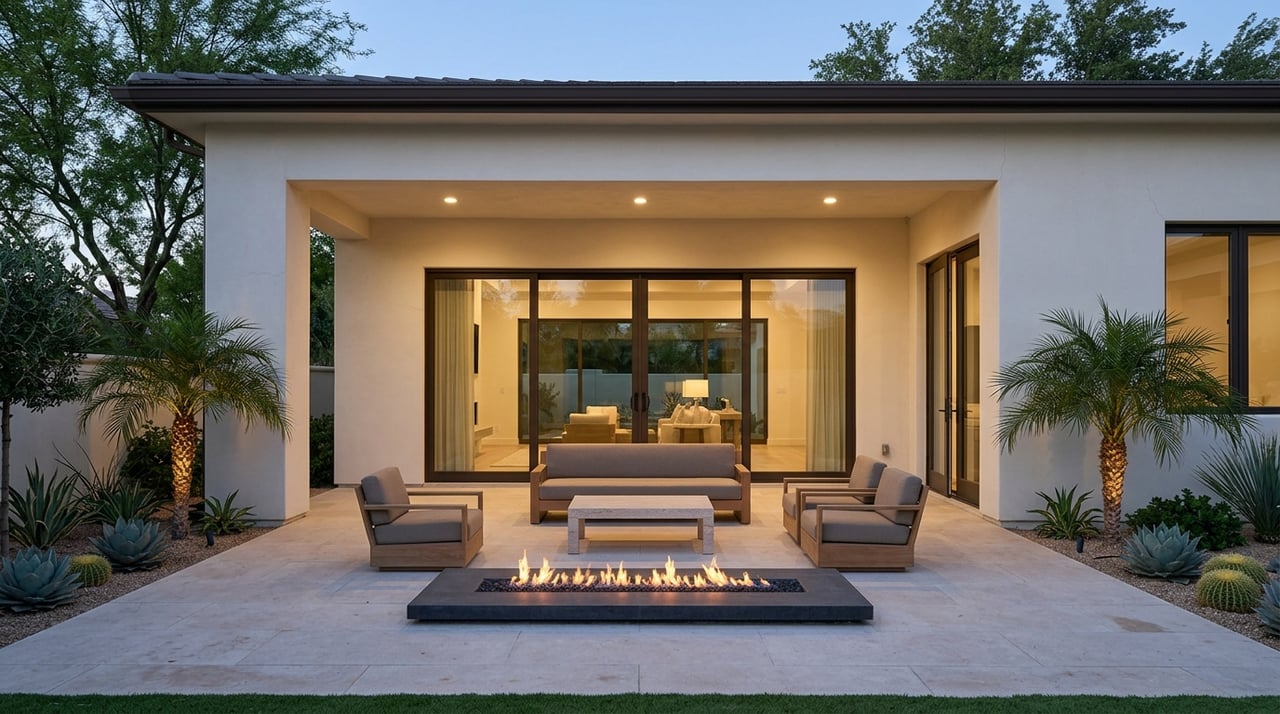
Outdoor living still matters, but it needs to be designed well. Look for shaded pool decks, usable patios for evenings and shoulder seasons, and floor plans that balance morning light with afternoon protection. In this market, smart desert-responsive design often has a bigger impact on livability than one more bedroom.
If your goal is easy access to services, Downtown and Uptown stand out. Uptown Design District sits just north of downtown along North Palm Canyon Drive and includes boutiques, art galleries, cafés, restaurants, and cocktail bars. For buyers who want a home base with a smoother routine, these service-rich areas deserve close attention.
Central access can be especially useful if you plan to arrive for shorter stays. Being near the airport and downtown may be more valuable than maximizing lot size if your priority is convenience. The city’s circulation planning also supports access to downtown and destination places such as the airport and Convention Center.
That does not mean every buyer should focus only on central neighborhoods. It means your location decision should reflect your real use pattern. If you travel often, shorter drives and easier access can save time and reduce the work of owning a second home.
The best Palm Springs home for a hybrid lifestyle usually starts with how you will use it. Before you focus on bedroom count, think about whether you need lock-and-leave simplicity, more privacy, guest space, or possible seasonal flexibility. That decision will help narrow the right neighborhood and property type.
Attached communities can be a strong fit if you want lower exterior maintenance and shared amenities. Current Palm Springs market guides highlight options such as Palm Springs Villas I, Sunrise Palms, Fairways, and Sunrise Racquet Club. Reported floor plans in these communities run roughly from 575 to 1,250 square feet, with median HOA fees ranging from about $487 to $672 per month.
For many seasonal owners, that tradeoff works well. A smaller footprint can be easier to maintain, easier to furnish, and simpler to use for shorter stays. If your priority is convenience, attached living may support your lifestyle better than a larger detached home.
Detached neighborhoods may be a better match if you want more outdoor space, more privacy, or room for guests. Current Palm Springs area guides show median HOA fees of $0 in Deepwell, Tahquitz River Estates, and Vista Las Palmas, while Movie Colony shows a median HOA fee of $285. Old Las Palmas shows a median HOA fee of $620, which is a useful reminder that detached homes do not always mean no HOA.
Some detached properties also offer the kind of flexibility hybrid buyers value most. Examples in current local market guides include homes with attached or separate casitas and larger lots that support a more private compound feel. If you expect visiting family, want a separate office, or value a distinct guest suite, detached homes may offer more options.
A hybrid lifestyle calls for a more practical wish list. In Palm Springs, the most useful features often include a true office or flex room, strong cooling, covered outdoor living, and storage for luggage, golf gear, or seasonal items. If hosting matters to you, a guest casita or separate suite can be especially valuable.
The city’s design priorities also support the idea that desert-responsive architecture matters. Materials, shade, and ventilation should help the home handle heat well. You are not just buying square footage here. You are buying ease of use across different seasons and patterns of occupancy.
Here is a simple way to match features to your lifestyle:
If you are considering any rental component, legal and document review should happen early. Palm Springs states that vacation rentals and homesharing are ancillary residential uses, limited to single-family dwelling units and prohibited in apartments. The city also applies a neighborhood-level cap of 20 percent of residential dwelling units.
Current city rules allow up to 26 vacation-rental contracts per year for new permittees and up to 32 for existing permittees, with a limited third-quarter exception for existing permittees. The city also prohibits outside amplified music at vacation-rental and homeshare properties. Parking and occupancy limits are based on the number of bedrooms.
These details matter because they can affect the value of a home to you. If flexible use or rental income is part of your plan, you should confirm permit eligibility, neighborhood cap status, and property-specific limitations before writing an offer. In Palm Springs, assumptions can be expensive.
Many Palm Springs properties are in common-interest developments, so HOA review is a core part of due diligence. The California Department of Real Estate explains that HOA membership is automatic in a common-interest development and that CC&Rs run with the land. HOAs can levy dues, special assessments, and enforce rules that may be stricter than city law.
That means you should review more than just the monthly dues. Ask for CC&Rs, bylaws, rules, budgets, and assessment history. If you are buying for seasonal use, part-time occupancy, or possible rental flexibility, those documents can be just as important as the floor plan.
A hybrid lifestyle home should feel enjoyable to own, not financially vague. Riverside County’s assessor summarizes Proposition 13 as a 1 percent base property tax rate on assessed value, with reassessment on change of ownership or new construction and annual increases generally capped at 2 percent. That provides a helpful baseline for long-term cost planning.
Of course, taxes are only one part of the picture. You should also weigh HOA dues, utility costs tied to cooling, pool and landscape upkeep, and any management needs if you will be away for extended periods. A clear ownership model helps you buy with confidence and avoid surprises later.
The best Palm Springs home for a hybrid lifestyle is not always the biggest or the trendiest. It is the one that matches how you actually travel, work, host, and recharge. In a market shaped by climate, neighborhood rules, and varied ownership styles, the right fit usually comes from asking better questions before you fall in love with a property.
A thoughtful buying strategy can save you time and protect your flexibility. If you want a Palm Springs home that feels polished, practical, and easy to own, it helps to work with an advisor who understands second-home priorities, property use questions, and the nuances of this market. When you are ready for a discreet, tailored approach, schedule a private consultation with Michelle Trotter.
Unlocking the Doors to California’s Finest